papers
Access my Google Scholar page.
In progress
abstract
Scientific assessments play a critical role in synthesizing evidence to support evidence-based decision-making in many sectors and topics. For climate change, large-scale assessments like the Intergovernmental Panel on Climate Change (IPCC) and United States (U.S.) National Climate Assessment (NCA) reports help many different users — from national government to local governments, Indigenous Peoples and Indigenous communities, the private sector, the social sector, and the scientific community itself — navigate the complex field of climate risks, impacts, and integrated solutions. While co-creation with users is essential to developing actionable assessments, as a first step in that process, this paper identifies many advancing and emerging areas of relevant knowledge important for assessment and for additional near-term research. Drawing on the expertise of many scholars who were formerly tasked with producing the Sixth NCA and authored other climate assessment reports, this paper highlights select U.S.-relevant topics in which research advances since the 2023 Fifth NCA make new syntheses particularly valuable for future national, subnational, and sectoral climate assessments. It also identifies critical research topics in those select areas that would be useful for future climate assessment efforts. Overall, this roadmap aims to catalyze collaborations, research, and a network of climate assessments to synthesize the scientific understanding of the state of climate impacts, risks, and responses and to provide widely accessible and foundational information for sectoral, regional, and cross-cutting climate action plans and decisions in the U.S.
abstract
Why do some cities rebound after destructive disasters while others stagnate or decline? Linking over one thousand wildfires that occurred across the United States to parcel-level tax assessments, we estimate land and building value dynamics in burned and surrounding areas. On average, wildfires reduce land and building values in the long run, but impacts vary systematically with pre-disaster local productivity. Ranked within counties, parcels in low productivity areas suffer persistent losses, middle-ranked areas recover quickly, and upper-ranked areas undergo “creative destruction,” experiencing sustained gains. Nearby unburned areas exhibit similar growth or decline trajectories due to spillovers from burned areas, with effects persisting for more than a decade. Depending on the quality of rebuilding, disasters can hinder, restore, or accelerate growth, underscoring the importance of spillovers and coordinated investment policies in shaping urban resilience.
abstract
Sustainable forest management is a complex dynamic problem, and an important issue worldwide. Forests supply the world’s population with a variety of forest products, including renewable products such as fruits, nuts, and maple syrup that can be harvested at more frequent intervals than the trees themselves. When there is both uncertainty and interdependent forest products, the interaction between these two phenomena leads to a complicated set of trade-offs. We develop a nested stochastic dynamic bioeconomic model of optimal forest management under uncertainty for interdependent products that differ in their growth cycles, rates of growth, lengths of growing periods, and potential harvest frequency. Our model enables us to assess the optimality of actual decisions made by forest managers and to develop a dynamic structural econometric model to understand the beliefs and perceptions that underlie and rationalize their management strategies. We apply our model to bamboo forests, which generate two interdependent products: bamboo shoots and bamboo stems. Our model has important implications for the sustainable management of forests worldwide.
abstract
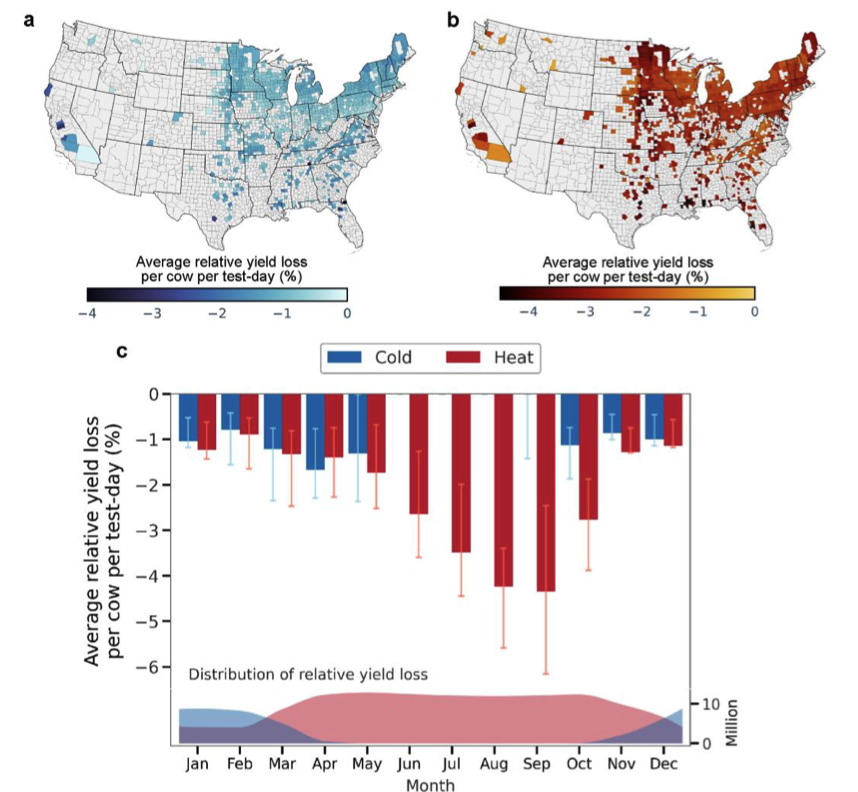
Climate change threatens dairy production, yet a full understanding of these risks remains limited by a combination of coarse yield data and simplified models. Here we combine 155 million test-day milk records from 9 million US cows from 2000–2024 with a causality aware machine learning framework to quantify yield responses to temperature, radiation, humidity, and wind. We find that nighttime heat is the dominant driver of milk yield declines. Nationwide, heat stress reduced yield per cow per test-day by –2.5%, compared with –1.0% from cold stress. Yield reductions were most intensive from late-summer heat and springtime cold, which were –4.3% and –1.5%, respectively. Combined heat and cold stress resulted in an annual economic loss of $871 million, which corresponds to 2.3% of national milk revenue. Our study establishes the nonlinear nature of yield sensitivity to multiple weather stressors and reveals opportunities to enhance yields in US dairy systems.
abstract
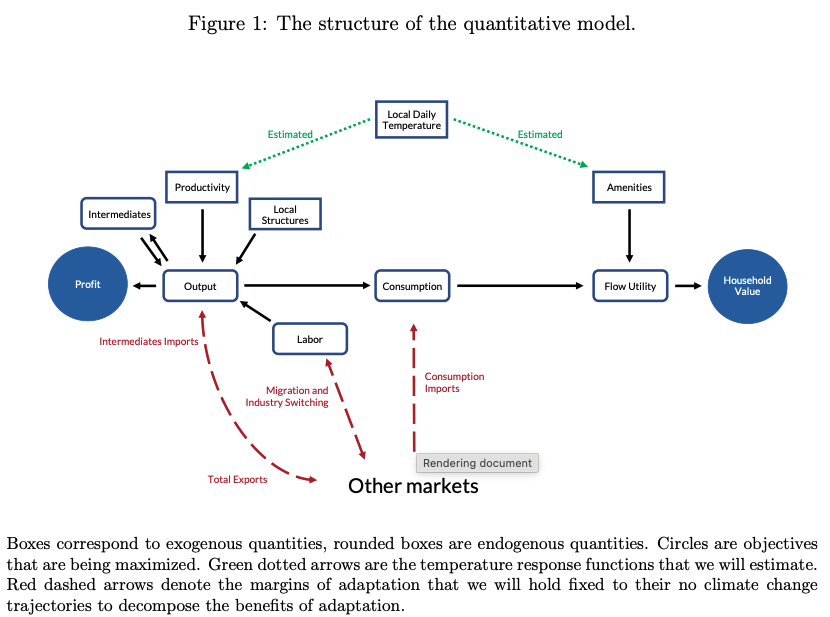
We develop a dynamic-spatial equilibrium model to quantify the economic effects of climate change with a focus on the United States. We find that climate change reduces US welfare by 4% and global welfare by over 20%. Market-based adaptation through trade and labor reallocation increases US welfare, but with substantial spatial heterogeneity. Adaptation through labor reallocation and trade are complementary: together they boost welfare by 50% more than their individual effects. We additionally develop a new dynamic envelope theorem method for measuring welfare impacts in reduced form and to validate our quantitative model. We find that welfare distributions from our two approaches are consistent, indicating that our quantitative model captures the first-order factors for measuring the distributional impacts of climate change. The level and distribution of the economic impacts of climate change depends the sectoral and spatial structure of the economy, and the extent to which different markets can adapt.
abstract
This paper investigates the role of extreme climate as a push factor for family reunification migration. We leverage a novel data set on Mexican agricultural workers in the United States with detailed family separation history and family characteristics. Furthermore, we use a data-driven approach to identify the optimal weather window – one that minimizes prediction error measured in the out of sample root mean squared error compared to the traditional method. We unveil evidence showing that shifts in agricultural productivity induced by changes in extreme climatic conditions during optimal weather windows in Mexican states contributed to the decision of family reunification migration, while more conventional weather windows (e.g., annual averages) fail to provide a consistent assessment.
abstract
Our understanding of how extreme heat affects US agriculture is largely based on the analysis of yields or productivity using aggregate data. Using a unique 40-year farm-level panel from the Kansas Farm Management Association (KFMA) tracking nearly 7,000 farms across the state, we examine how extreme heat affects farm income and quantify the extent to which farmers buffer income losses through on-farm adaptive strategies and government support programs. We find that a 1°C warming reduces gross and net farm income approximately $10,200 and $7,300 for the median farm, or by 3 percent and 11 percent, respectively. Several types of expenses, such as fuel and machinery repairs, decrease in response to extreme heat. Crop insurance payments offset about 10% and inventory adjustments offset about 14% of the total potential income loss. Irrigation buffers nearly one-third to one-half of the net income loss associated with extreme heat. Together, these results highlight the role of both farm management decisions and the federal farm safety net in reducing the financial vulnerability of farms to extreme heat.
Publications
abstract
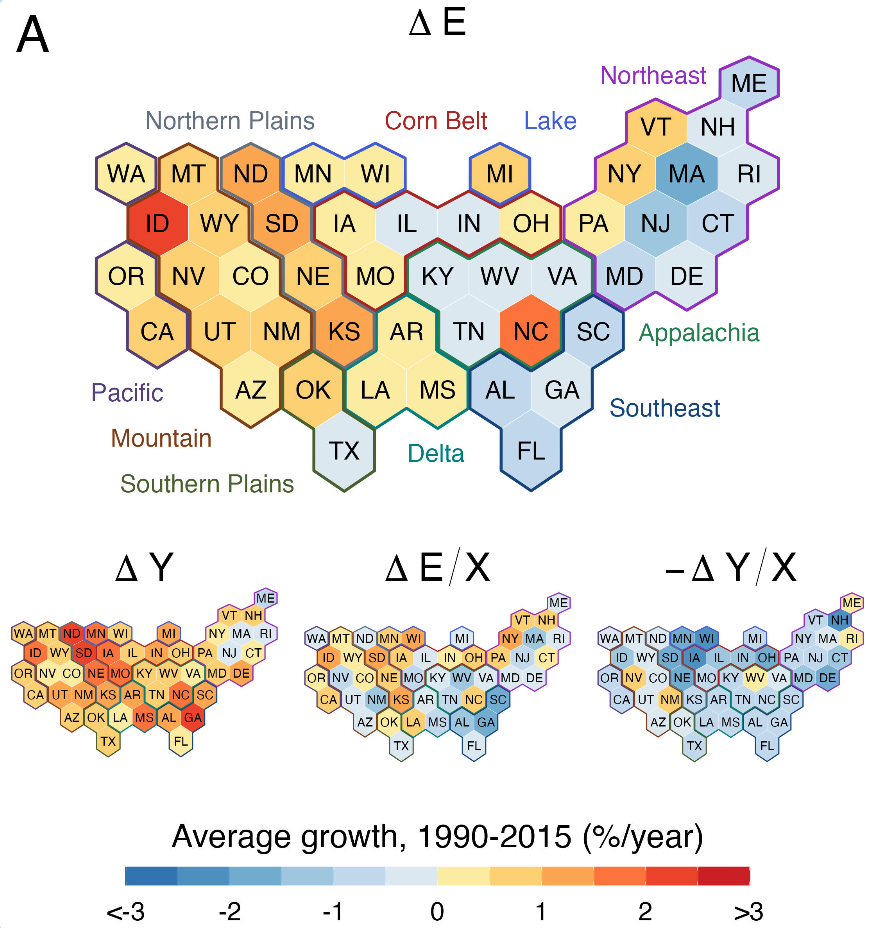
We decompose state-level U.S. agricultural greenhouse gas emissions growth into output growth, input emission intensity, and total factor productivity (TFP). Combining EPA emissions data with USDA productivity accounts over 1990–2015, we find that TFP growth historically slowed emissions but has recently weakened. Declining input emission intensity, concentrated in the Southeast, has become the dominant mitigating factor. Further decomposition suggests that land productivity gains are more closely linked to emission reductions than labor productivity gains.
abstract
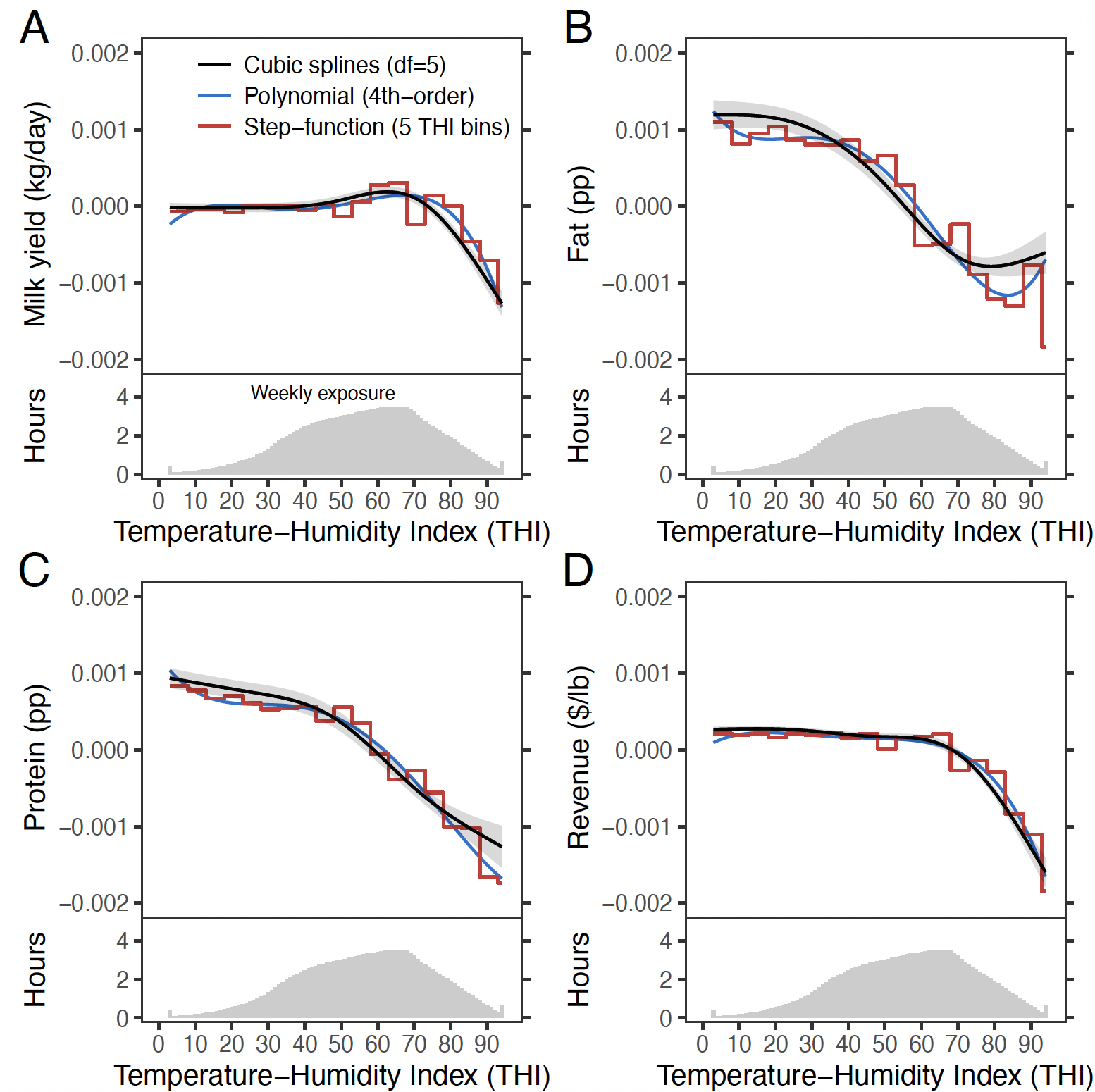
Studies analyzing the impact of climate change on agriculture mostly emphasize effects on production quantity, overlooking potential impacts on quality and nutritional content. We explore this question in the context of U.S. milk production, which represents about 20% of national animal-products. We link individual lactation records for over 6.5 million cows over 2007-2016 with high-resolution weather data to estimate the nonlinear effects of heat on both milk yield and composition (fat and protein content). While milk yield declines sharply only when the Temperature-Humidity Index (THI) exceeds 70 (primarily in the summer), milk composition deteriorates steadily with rising THI (throughout the year). Combining these findings indicates that estimates of heat damages that ignore composition effects –common in the literature– underestimate total economic losses by at least a factor of two. We also find that the sensitivity of both milk yield and composition to heat varies little with cow age, farm size, region of the country, or period in the sample, indicating no detectable change in the aggregate heat sensitivity of U.S. dairy systems over the study period.
abstract
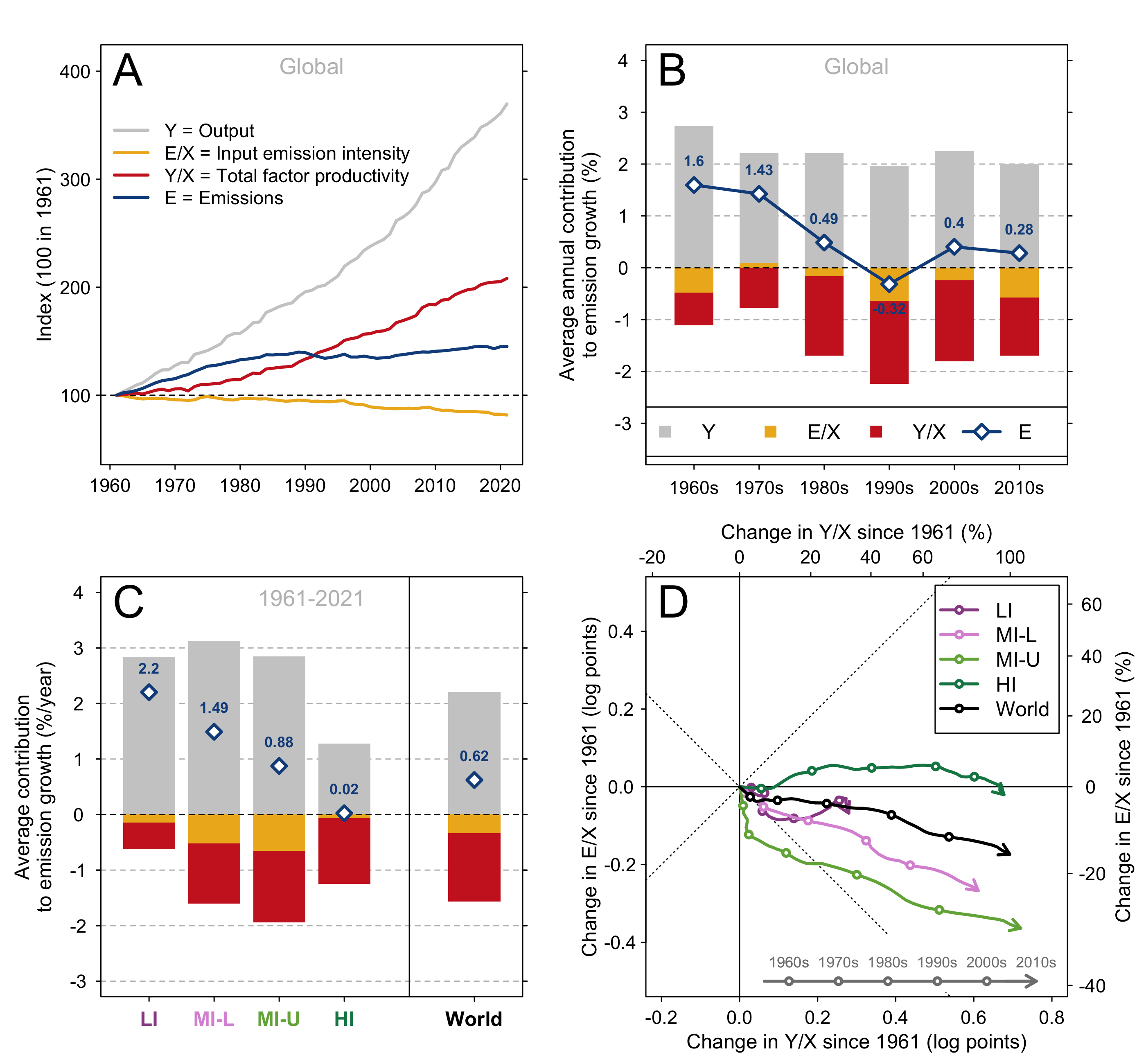
Agriculture, forestry and other land use contribute about a fifth of total anthropogenic greenhouse gases (GHG) emissions. Mitigation efforts have emphasized “decoupling” that sustains production while lowering emissions per unit of output. However, the underlying decoupling mechanisms have not been fully characterized. We rely on a mathematical identity to decompose agricultural GHG emissions growth (ΔE) into 3 parts: output (ΔY), emissions per unit of input (ΔE/X) and output per unit of input (ΔY/X) or Total Factor Productivity (TFP). We then rely on official country-level data to quantify the historical contribution of these components. Over 1961-2021, we find that TFP growth —which captures the sector’s ability to produce more output per unit of measured input— has consistently remained one of the main sources of GHG emissions reduction within farms. Further decomposition reveals a key role for rising land productivity in reducing emission intensity.
first paragraph
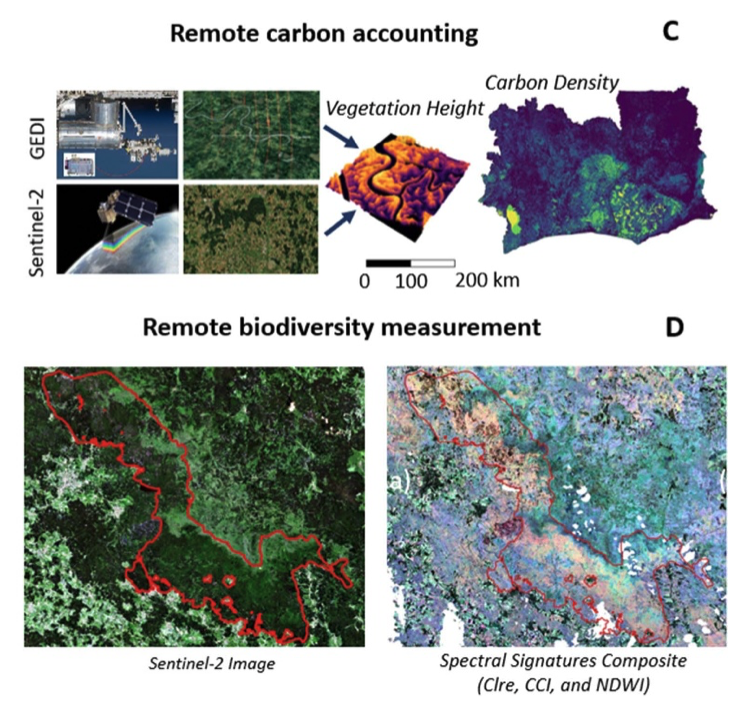
Current agri-environmental policies are failing to match the scale, complexity, and urgency of today’s environmental challenges. Despite a proliferation of regulations and laws, agri-environmental payment schemes, and policy frameworks, agriculture remains a leading driver of biodiversity loss, soil degradation, nutrient pollution, and greenhouse-gas emissions. Agri-environmental policies are frequently criticized for falling short of their environmental objectives, misallocating public funds, constraining farmers’ agency, and generating substantial administrative burdens. A transformation of policy instruments is needed to overcome persistent challenges that include designing policy instruments that effectively align the incentives of all actors, ensuring robust monitoring and enforcement of compliance, managing trade-offs across environmental and economic goals, and establishing mechanisms for adaptive learning and performance improvement over time. In this paper, we aim to show how recent advances in Earth observation technologies can contribute to such a transformation.
abstract
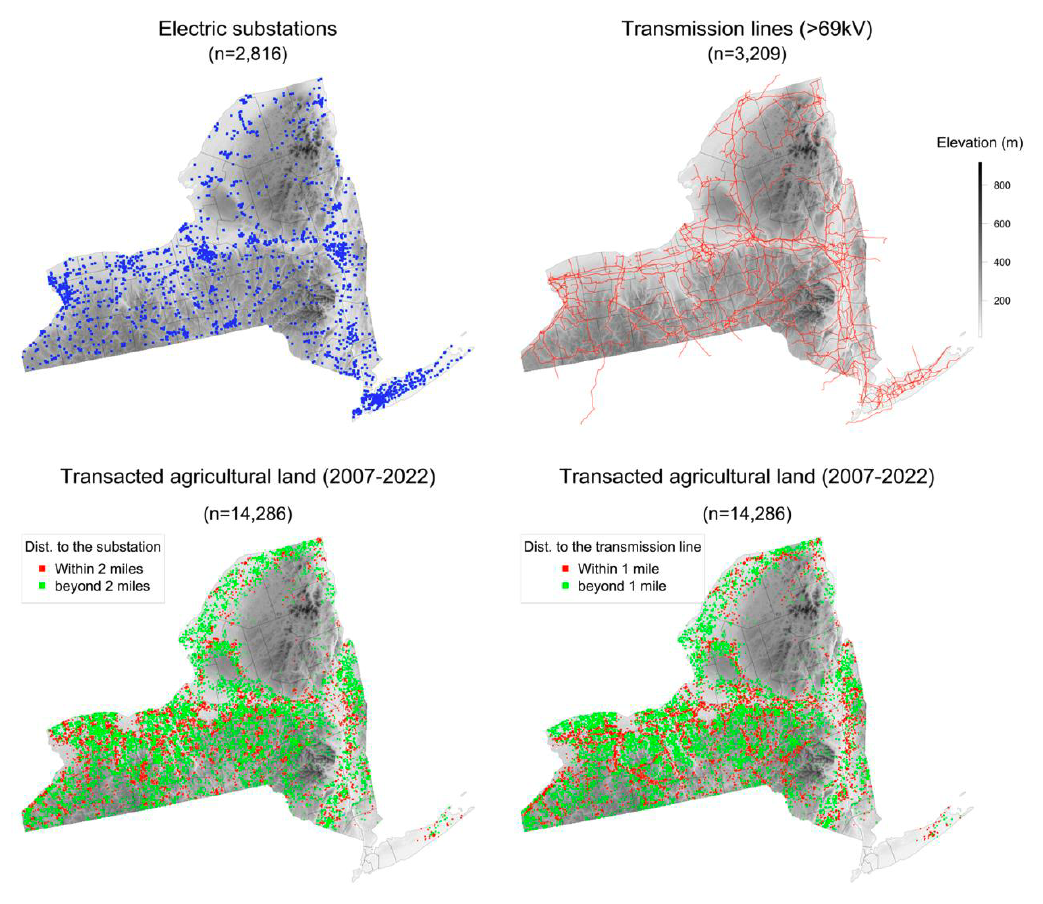
Legislation promoting large-scale solar could potentially elevate farmland prices. Using approximately 12,000 farmland transactions (2007–2021), we study the impact of the 2015 Shared Renewable Program and relevant policies in New York state. We find that large solar-suitable parcels within two miles of substations sold for 15%–18% more than comparable parcels farther away after the program’s implementation. This effect is absent for parcels unsuitable for solar yet desirable for housing, suggesting it is unrelated to housing pressure. We also find a stronger effect on farmland in regions with higher electricity prices (~20%) suggesting SRP’s impact varies by location and time.
abstract
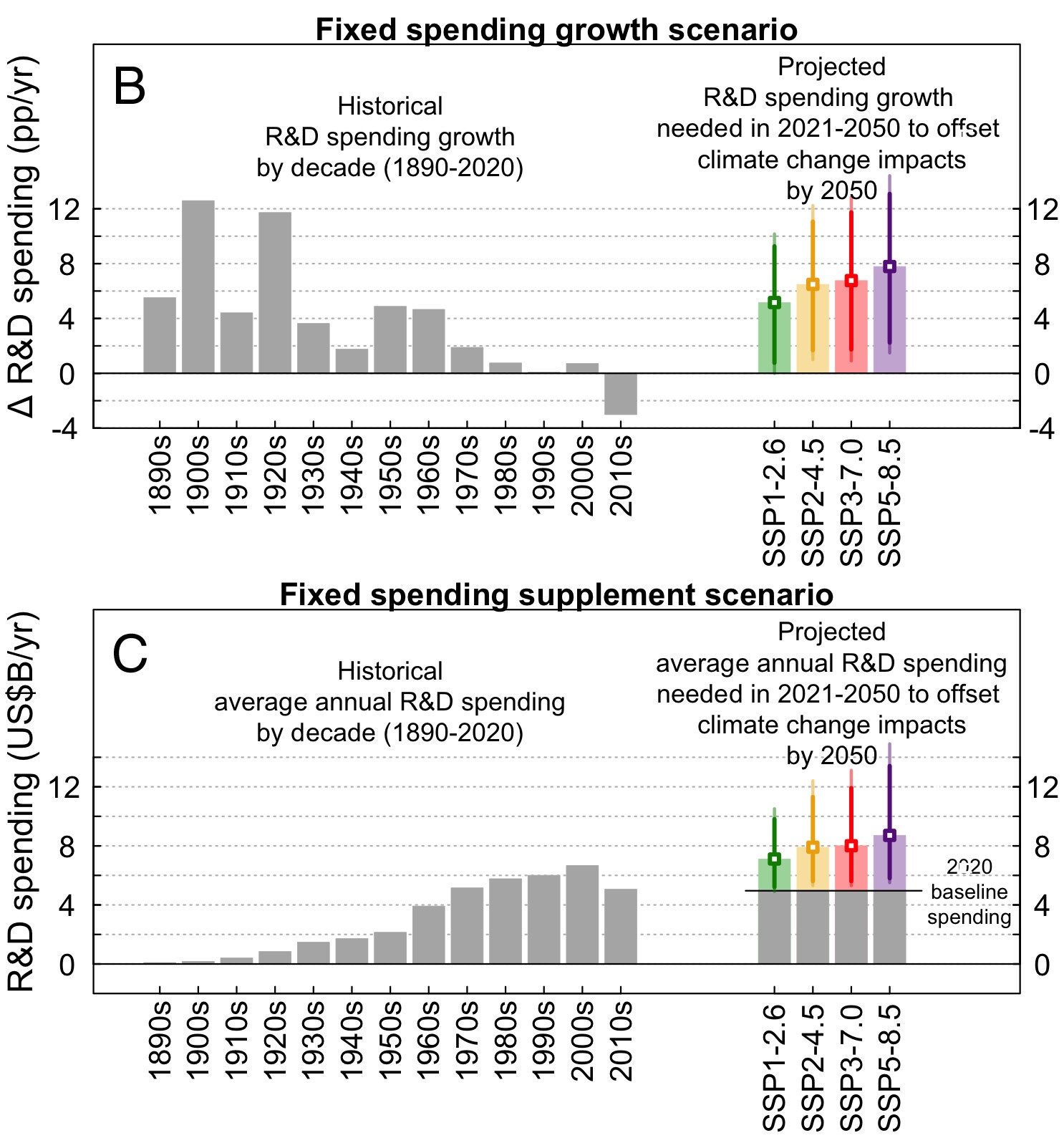
Increasing agricultural productivity is a gradual process with significant time lags between research and development (R&D) investment and the resulting gains. We estimate the response of US agricultural Total Factor Productivity to both R&D investment and weather and quantify the public R&D spending required to offset the emerging impacts of climate change. We find that offsetting the climate-induced productivity slowdown by 2050 will require R&D spending over 2021 to 2050 to grow at 5.2 to 7.8% per year under a fixed spending growth scenario or by an additional $2.2 to $3.8B per year under a fixed supplement spending scenario (in addition to the current spending of ~$5B per year). This amounts to an additional $208 to $434B or $65 to $113B over the period, respectively, and would be comparable in ambition to the public R&D spending growth that followed the two World Wars.
abstract
Research on agricultural prices and deforestation has mostly focused on cash crops and export-oriented commodities. We develop a theoretical framework to illustrate how a staple food price shock can lead to deforestation through various channels. We explore our theoretical predictions with data from Cambodia and use a shift-share instrumental variables strategy. We find that shocks to the price of rice explain most of Cambodia’s recent deforestation. To shed light on mechanisms, we use household data to study land use behavior and welfare. Our findings suggest that staple food prices have a more important role in driving deforestation than previously thought.
abstract
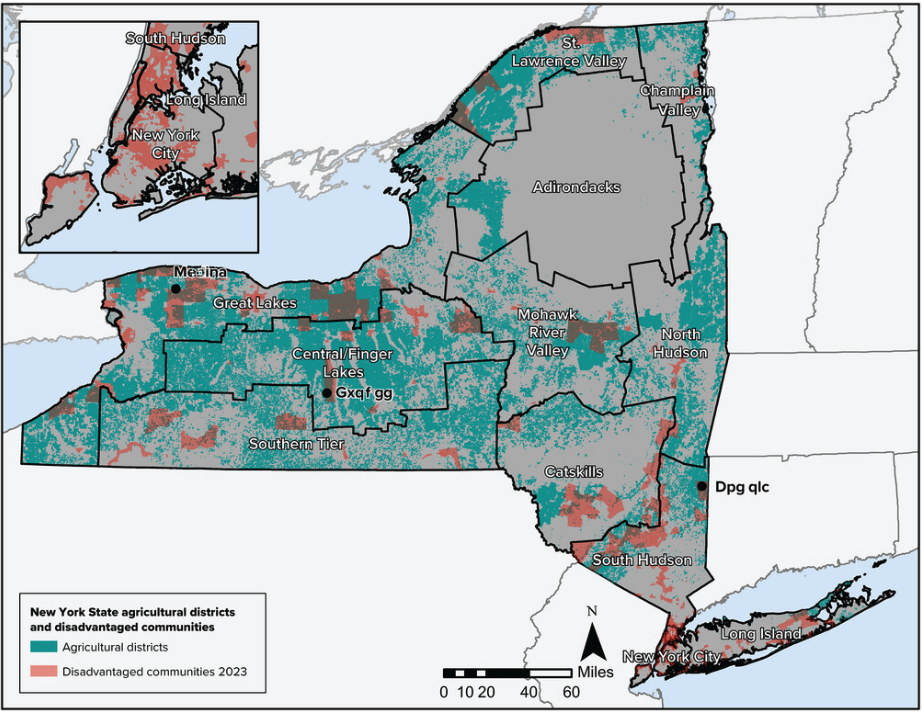
Agriculture is a vital industry in New York State, which ranks among the top-producing states for dairy, fruits, and several other commodities. As agriculture depends on the weather and specific climatic conditions, this sector faces extraordinary challenges as New York’s climate changes. This chapter explores the many impacts of a changing climate on agriculture, the ways these impacts interact with other challenges that New York farmers and farmworkers face, and opportunities for the agriculture industry to adapt and build resilience.
editor's summary
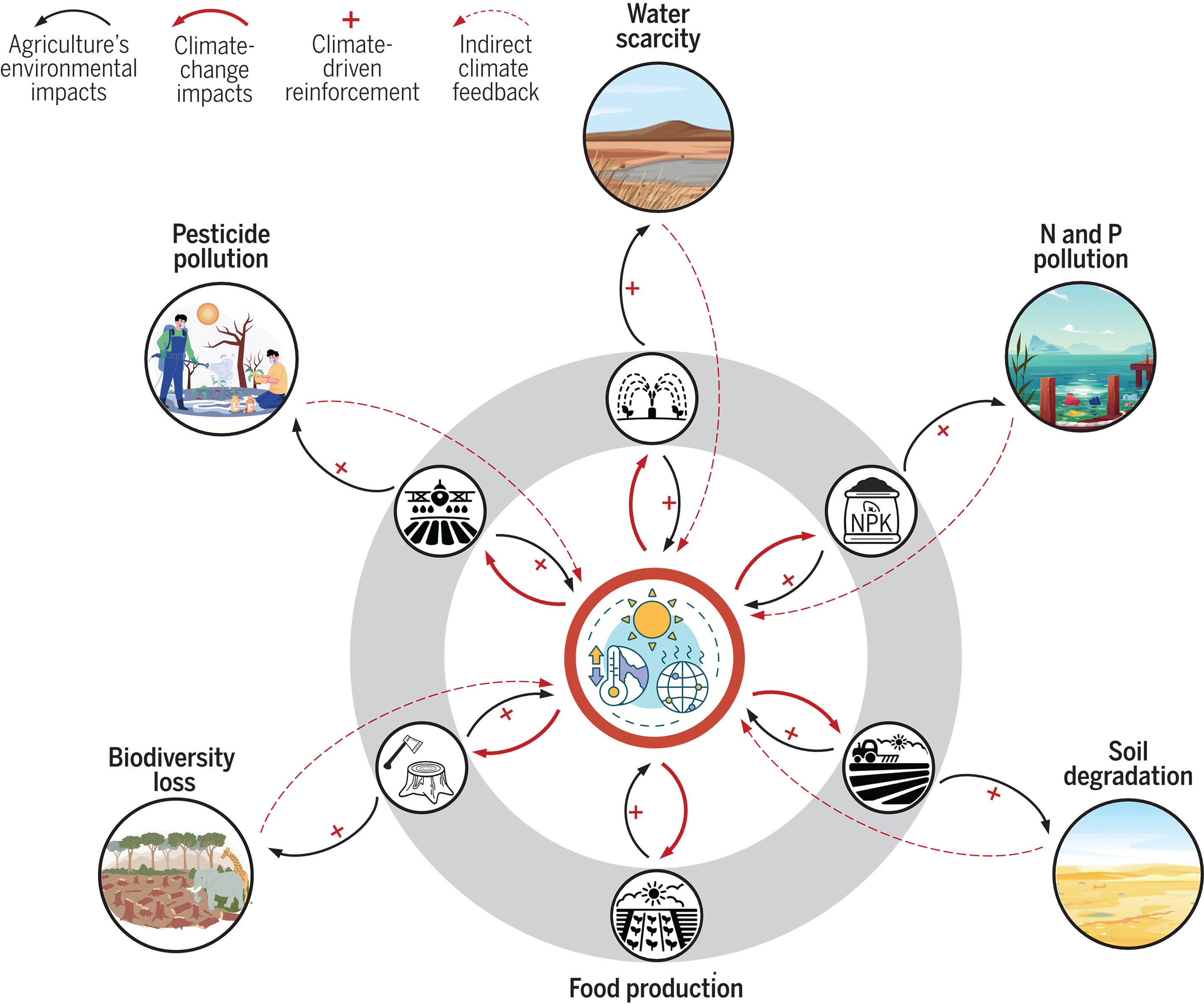
Intensive agriculture creates multiple environmental challenges, including runoff of excess nutrients, use of chemical pesticides, biodiversity loss, and greenhouse gas emissions. Curbing these negative effects of agriculture while feeding a growing global population is already a massive challenge and one that will likely be exacerbated by climate change. Yang et al. reviewed the research on interactions between climate change and agriculture’s environmental impacts and found that most of this work suggests even greater challenges to come. —Bianca Lopez
abstract
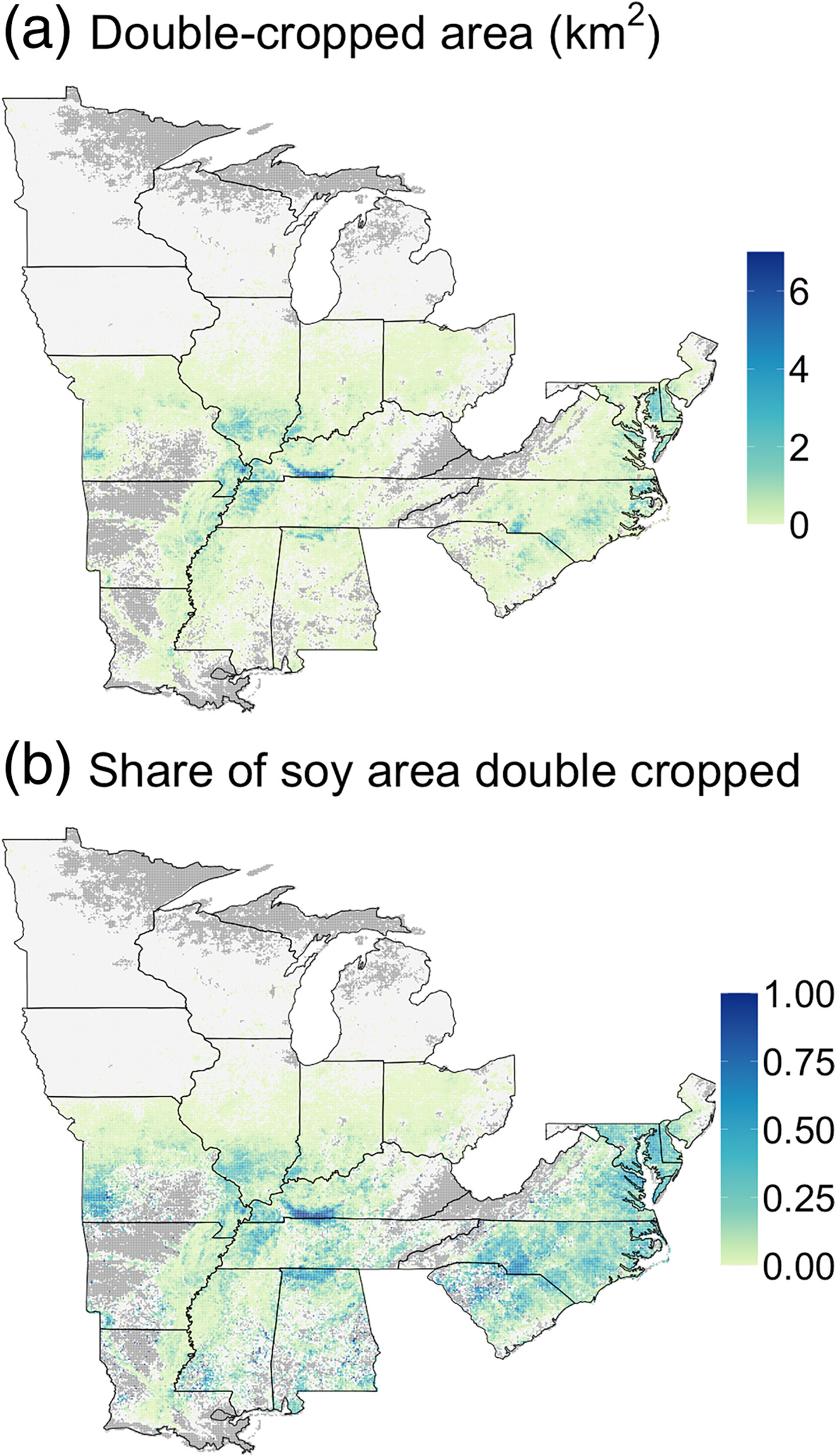
A warming climate expands the frost-free season, plausibly allowing for increased cropping intensity in temperate regions. This paper assesses the potential of multiple cropping to offset the projected negative effects of climate change on agricultural yields in the United States. We use cross-sectional variation in observed land cover, soil characteristics, and climate to estimate farmers’ propensity to double-crop winter wheat with soybeans. Our estimates imply that under current economic conditions, a 3°C warming would result in an increase of 2.1 percentage points in the share of current soybean area double cropped, primarily driven by expansions in cooler regions. A fixed-effects panel model of county yields further indicates that yields of double-cropped soybeans are about 12% lower than those of single-cropped soybeans. Accounting for changes in cropping intensity and attendant effects on soybean yields, we project that at current prices, a 3°C warming would induce a shift in cropping intensity that increases revenue from soy systems by 1.3% overall, offsetting only a small fraction of the revenue impacts of predicted yield declines.
abstract
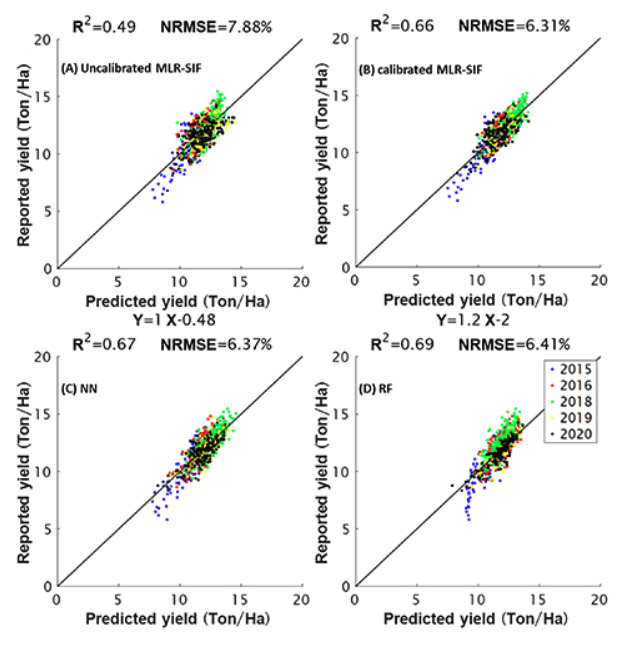
Projected increases in food demand driven by population growth coupled with heightened agricultural vulnerability to climate change jointly pose severe threats to global food security in the coming decades, especially for developing nations. By providing real-time and low-cost observations, satellite remote sensing has been widely employed to estimate crop yield across various scales. Most such efforts are based on statistical approaches that require large amounts of ground measurements for model training/ calibration, which may be challenging to obtain on a large scale in developing countries that are most food-insecure and climate-vulnerable. In this paper, we develop a generalizable framework that is mechanism-guided and practically parsimonious for crop yield estimation. We then apply this framework to estimate crop yield for two crops (corn and wheat) in two contrasting regions, the US Corn Belt US-CB, and India’s Indo– Gangetic plain Wheat Belt IGP-WB, respectively. This framework is based on the mechanistic light reactions (MLR) model utilizing remotely sensed solar-induced chlorophyll fluorescence (SIF) as a major input. We compared the performance of MLR to two commonly used machine learning (ML) algorithms: artificial neural network and random forest. We found that MLR-SIF has comparable performance to ML algorithms in US-CB, where abundant and high-quality ground measurements of crop yield are routinely available (for model calibration). In IGP-WB, MLR-SIF significantly outperforms ML algorithms. These results demonstrate the potential advantage of MLR-SIF for yield estimation in developing countries where ground truth data is limited in quantity and quality. In addition, high-resolution and crop-specific satellite SIF is crucial for accurate yield estimation. Therefore, harnessing the mechanism-guided MLR-SIF and rapidly growing satellite SIF measurements (with high resolution and crop-specificity) hold promise to enhance food security in developing countries towards more effective responses to food crises, agricultural policies, and more efficient commodity pricing.
abstract
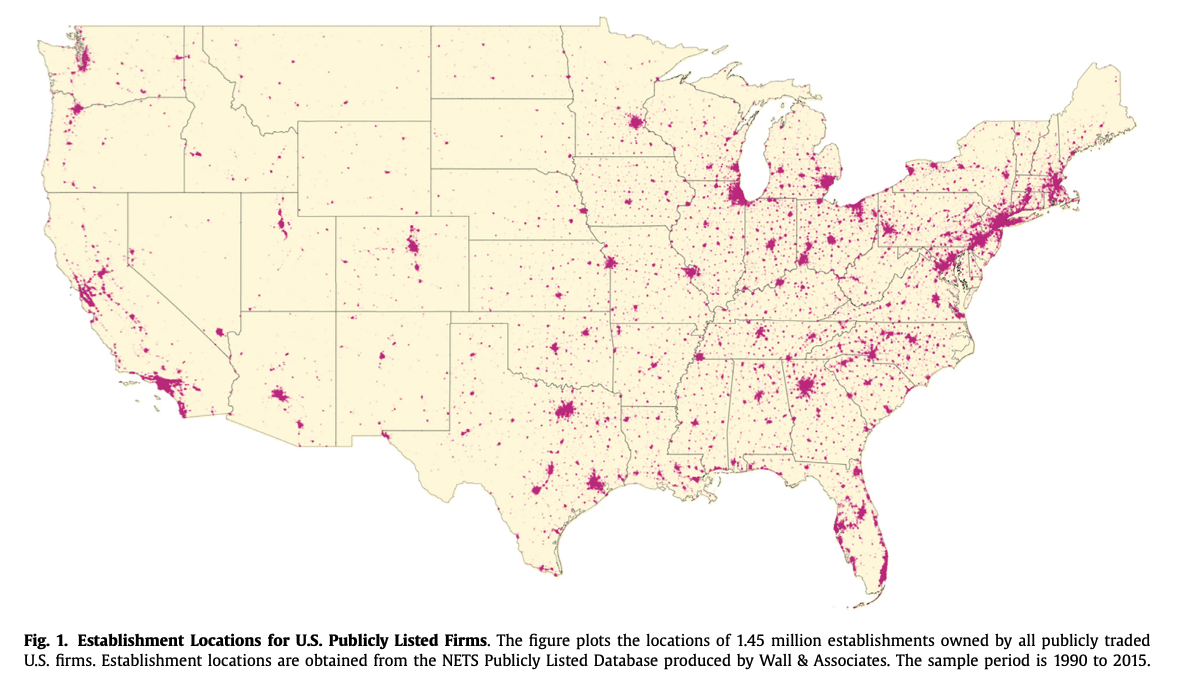
Climate scientists project rising average temperatures and increasing frequency of temperature extremes. We study how extreme temperatures affect corporate profitability across different industries and whether sell-side analysts understand these relationships. We combine granular daily data on temperatures across the continental U.S. with locations of public companies’ establishments and build a panel of quarterly firm-level temperature exposures. Extreme temperatures significantly impact earnings in over 40% of industries, with bi-directional effects that harm some industries while others benefit. Analysts and investors do not immediately react to observable intra-quarter temperature shocks, though earnings forecasts account for temperature effects by quarter-end in many industries.
abstract
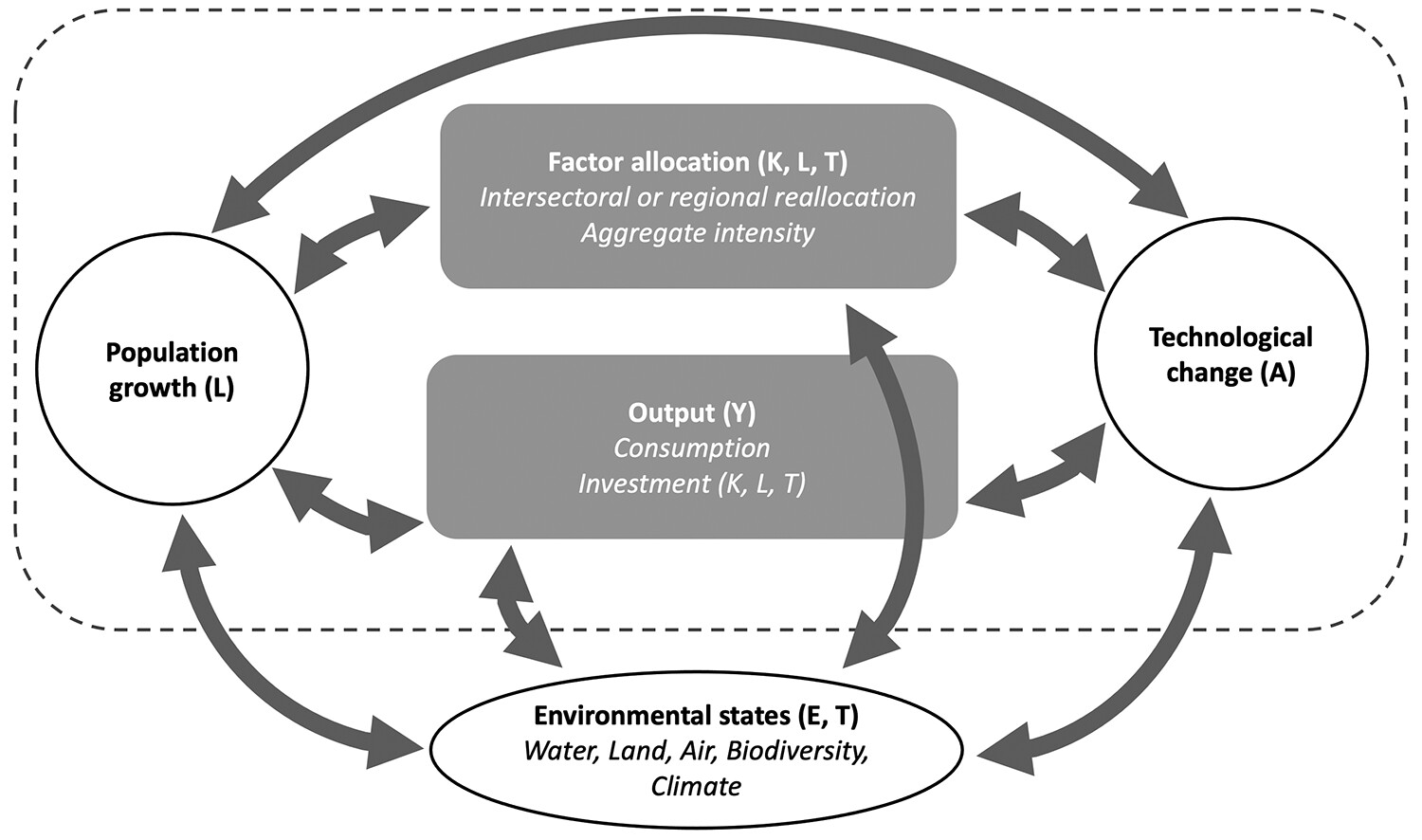
This paper reviews the feedback between structural transformation and agriculture, on the one hand, and climate and the natural environment, on the other. The long-standing, dominant economic development narrative largely ignores nature’s influence on factor productivity and stocks, even as it increasingly illustrates how agricultural technological change and economic growth affect nature. We articulate some of the missing linkages and pose key policy research questions concerning structural transformation and the complex feedback among agriculture, nature, and economic growth processes, especially in low-income agrarian economies.
abstract
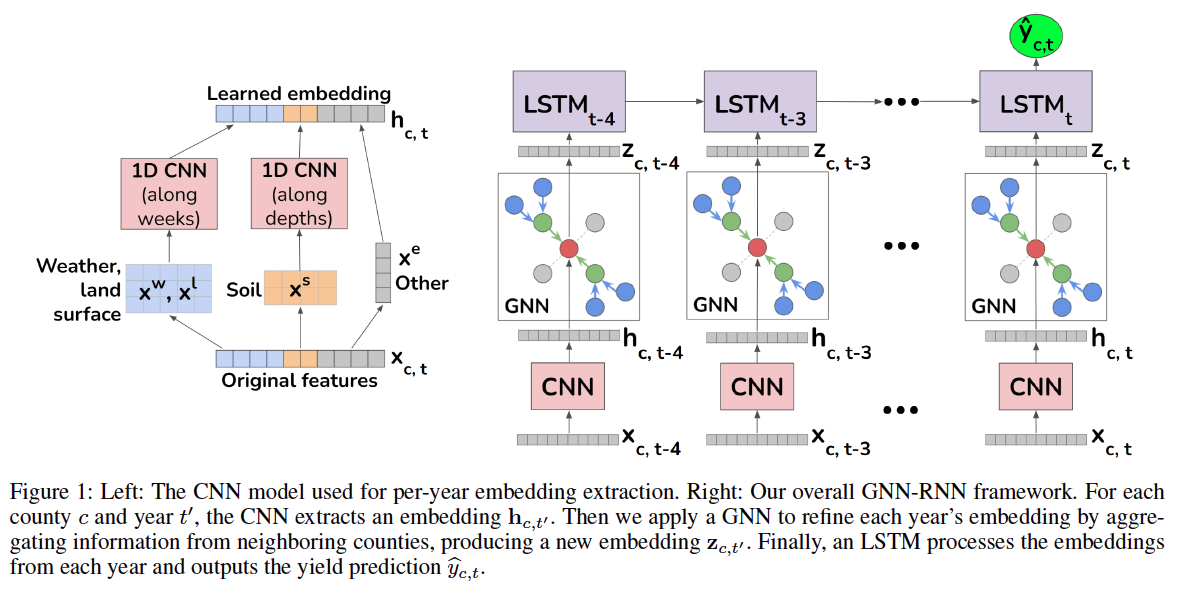
Climate change is posing new challenges to crop-related concerns, including food insecurity, supply stability, and economic planning. Accurately predicting crop yields is crucial for addressing these challenges. However, this prediction task is exceptionally complicated since crop yields depend on numerous factors such as weather, land surface, and soil quality, as well as their interactions. In recent years, machine learning models have been successfully applied in this domain. However, these models either restrict their tasks to a relatively small region, or only study over a single or few years, which makes them hard to generalize spatially and temporally. In this paper, we introduce a novel graph-based recurrent neural network for crop yield prediction, to incorporate both geographical and temporal knowledge in the model, and further boost predictive power. Our method is trained, validated, and tested on over 2000 counties from 41 states in the US mainland, covering years from 1981 to 2019. As far as we know, this is the first machine learning method that embeds geographical knowledge in crop yield prediction and predicts crop yields at the county level nationwide. We also laid a solid foundation by comparing our model on a nationwide scale with other well-known baseline methods, including linear models, tree-based models, and deep learning methods. Experiments show that our proposed method consistently outperforms the existing state-of-the-art methods on various metrics, validating the effectiveness of geospatial and temporal information.
abstract
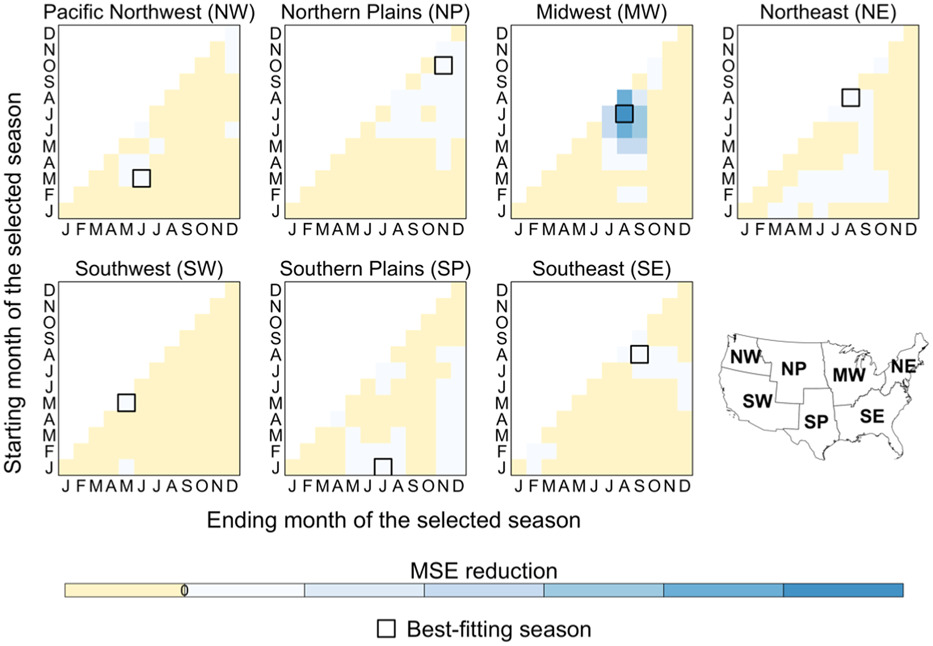
A growing literature is analyzing the effects of weather on agricultural outcomes. In these studies, constructing weather variables requires researchers to define a “season,” a period over which weather conditions are considered relevant to the outcome. We explore the consequences of assuming an incorrect season in such analyses. We show in simulations that imposing an incorrect season introduces nonclassical measurement error in weather regressors, bias in unknown directions. We propose an approach to recover the “true” underlying season and apply it to a US state-level panel of agricultural Total Factor Productivity. We find that accounting for seasonality can lead to substantially different estimates.
abstract
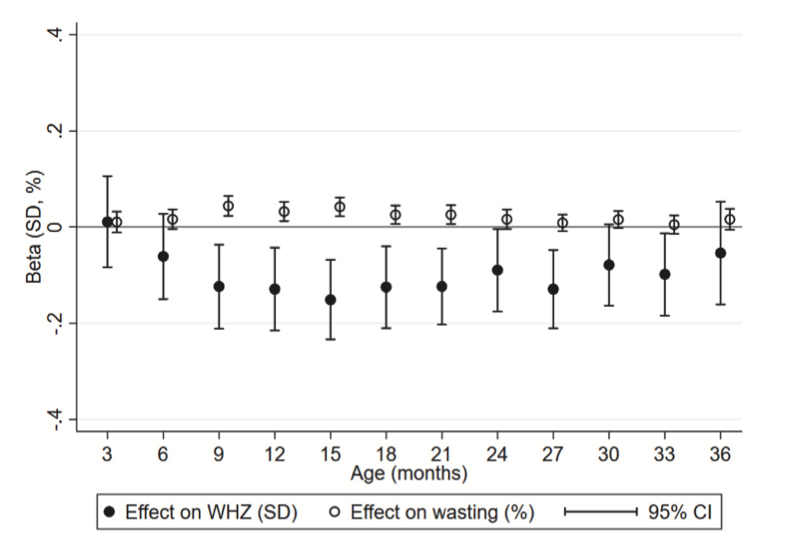
Extreme heat shocks are increasingly linked to poor economic and health outcomes. This paper constructs hour-degree bins of temperature exposure to assess the effects of extreme heat on early child nutrition, a health outcome correlated with educational attainment and income in adulthood. Linking 15 rounds of repeated cross-section data from five West African countries to geo-coded weather data, we find that extreme heat exposure increases the prevalence of both chronic and acute malnutrition. We find that a 2 °C rise in temperature will increase the prevalence of stunting by 7.4 percentage points, reversing the progress made on improving nutrition during our study period.
abstract
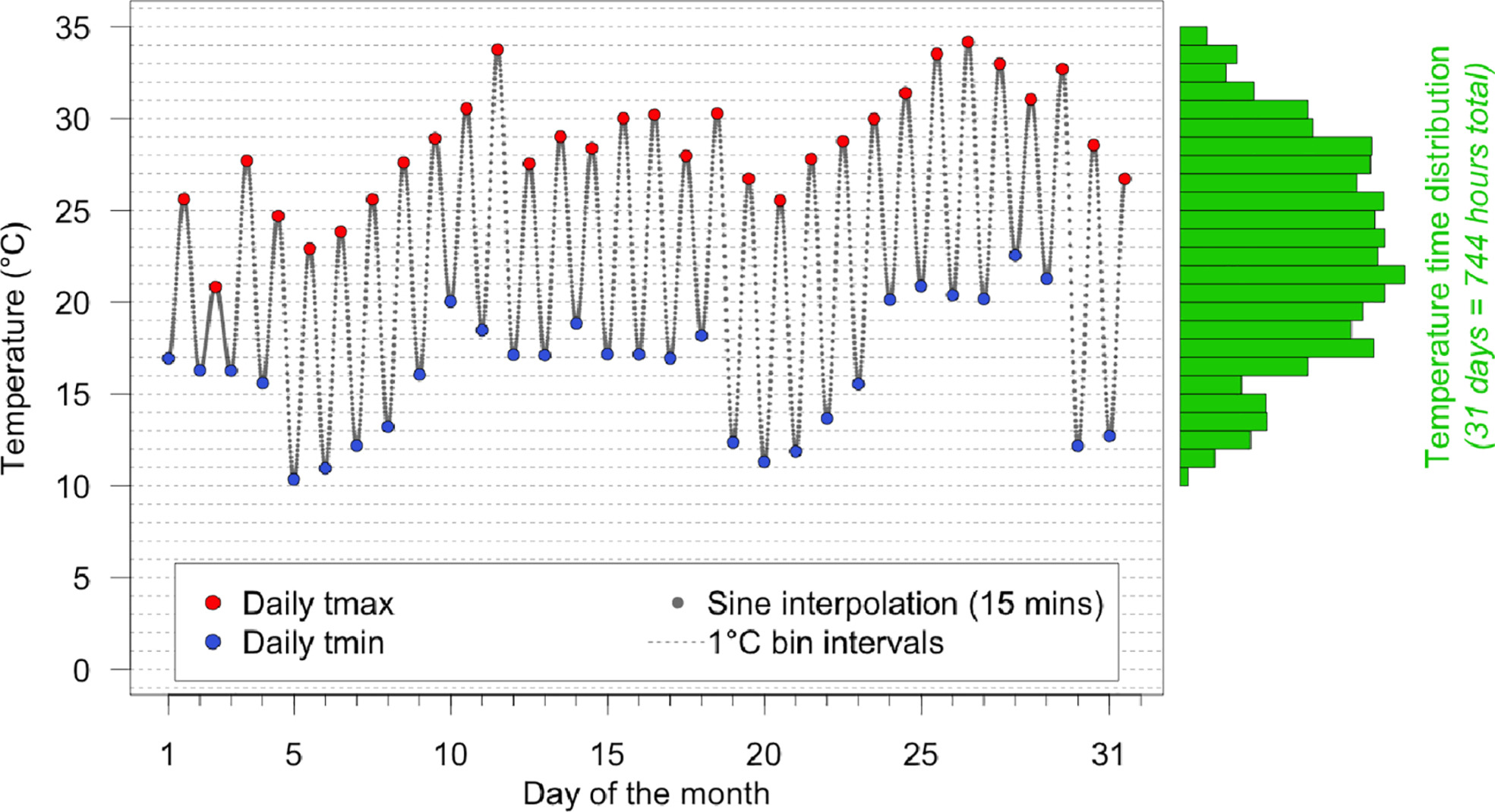
Agriculture is arguably the most climate-sensitive sector of the economy. Growing concerns about anthropogenic climate change have increased research interest in assessing its potential impact on the sector and in identifying policies and adaptation strategies to help the sector cope with a changing climate. This chapter provides an overview of advancements in the analysis of climate change impacts and adaptation in agriculture with an emphasis on methods. The chapter provides an overview of research efforts addressing key conceptual and empirical challenges. The chapter also discusses practical matters about conducting research in this area and provides reproducible R code to perform common tasks of data preparation and model estimation in this literature. The chapter provides a hands-on introduction to new researchers in this area.
abstract
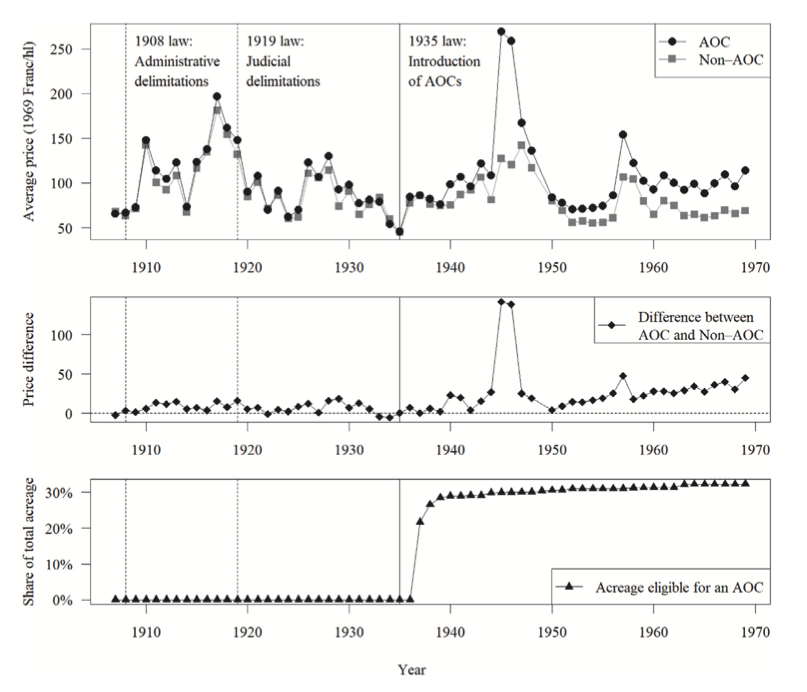
This paper provides empirical evidence on the welfare losses associated with asymmetric information about product quality in a competitive market. When consumers cannot observe product characteristics at the time of purchase, atomistic producers have no incentive to supply costly quality. We compare wine prices across administrative districts around the enactment of historic regulations aimed at certifying the quality of more than 250 French appellation wines to identify welfare losses from asymmetric information. We estimate that these losses amount to more than 7% of total market value, suggesting an important role for credible certification schemes.
abstract
In this paper, we evaluate a single-index polymorphic production function that relates agricultural output to temperature and precipitation. The advantage of this new approach to measuring agricultural vulnerability under climatic change is that a single-index measure of vulnerability can capture a range of climate responses including plateau effects. The approach identifies plateau effects in the crop yield-weather relationship and provides overall fits consistent with higher-order polynomial fitting. We apply the technique to corn, soybeans, wheat, and cotton at the USA county level. We illustrate its computation and use as a critical policy variable.
abstract
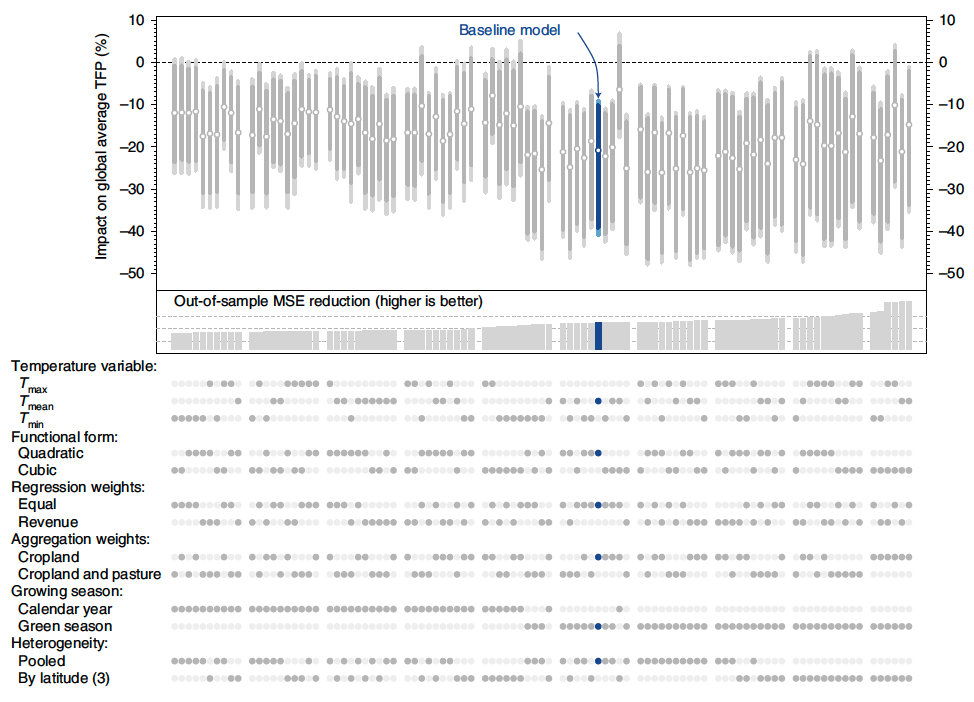
Agricultural research has fostered productivity growth, but the historical influence of anthropogenic climate change (ACC) on that growth has not been quantified. We develop a robust econometric model of weather effects on global agricultural total factor productivity (TFP) and combine this model with counterfactual climate scenarios to evaluate impacts of past climate trends on TFP. Our baseline model indicates that ACC has reduced global agricultural TFP by about 21% since 1961, a slowdown that is equivalent to losing the last 7 years of productivity growth. The effect is substantially more severe (a reduction of ~26–34%) in warmer regions such as Africa and Latin America and the Caribbean. We also find that global agriculture has grown more vulnerable to ongoing climate change.
abstract
This study illustrates and quantifies how overlooking the impact of weather shocks can affect the measurement and decomposition of agricultural total factor productivity (TFP) change. The underlying technology is represented by a flexible input distance function with quasi-fixed inputs estimated with Bayesian methods. Using agricultural production and weather data for 16 states in the Pacific Region, Central Region, and Southern Plains of the United States, we estimate TFP change as the direct sum of multiple components, including a net weather effect. To assess the role of weather, we conduct a comparative analysis based on two distinct sets of input and output variables. A traditional set of variables that ignore weather variations, and a new set of “weather-filtered” variables that represent input and output levels that would have been chosen under average weather conditions. From this comparative analysis, we derive biases in the decomposition of TFP growth from the omission of weather shocks. We find that weather shocks accelerated productivity growth in 12 out of 16 states by the equivalent of 11.4% of their group-average TFP growth, but slowed down productivity by the equivalent of 6.5% of the group-average TFP growth in the other four states (located in the Northern-most part of the country). We also find substantial biases in the estimated contribution of technical change, scale effects, technical efficiency change, and output allocation effects to TFP growth (varying in magnitude and direction across regions) when weather effects are excluded from the model. This is the first study to present estimates of those biases based on a counterfactual analysis. One major implication from our study is that the official USDA’s measures of TFP change would appear to overestimate the rate of productivity growth in U.S. agriculture stemming from technical change, market forces, agricultural policies, and other nonweather drivers.
abstract
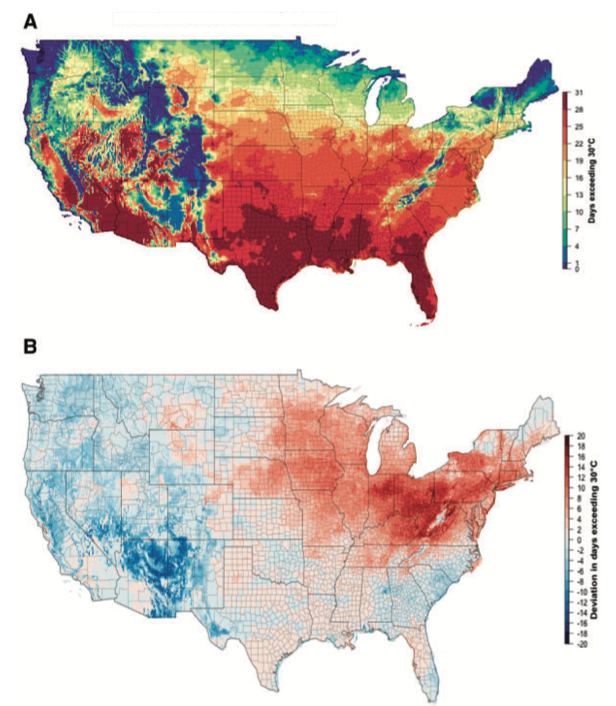
Combining granular daily data on temperatures across the continental United States with detailed establishment data from 1990 to 2015, we study the causal impact of temperature shocks on establishment sales and productivity. Using a large sample yielding precise estimates, we do not find evidence that temperature exposures significantly affect establishment-level sales or productivity, including among industries traditionally classified as “heat sensitive.” At the firm level, we find that temperature exposures aggregated across firm establishments are generally unrelated to sales, productivity, and profitability. Our results support existing findings of a tenuous relation between temperature and aggregate economic growth in rich countries.
abstract
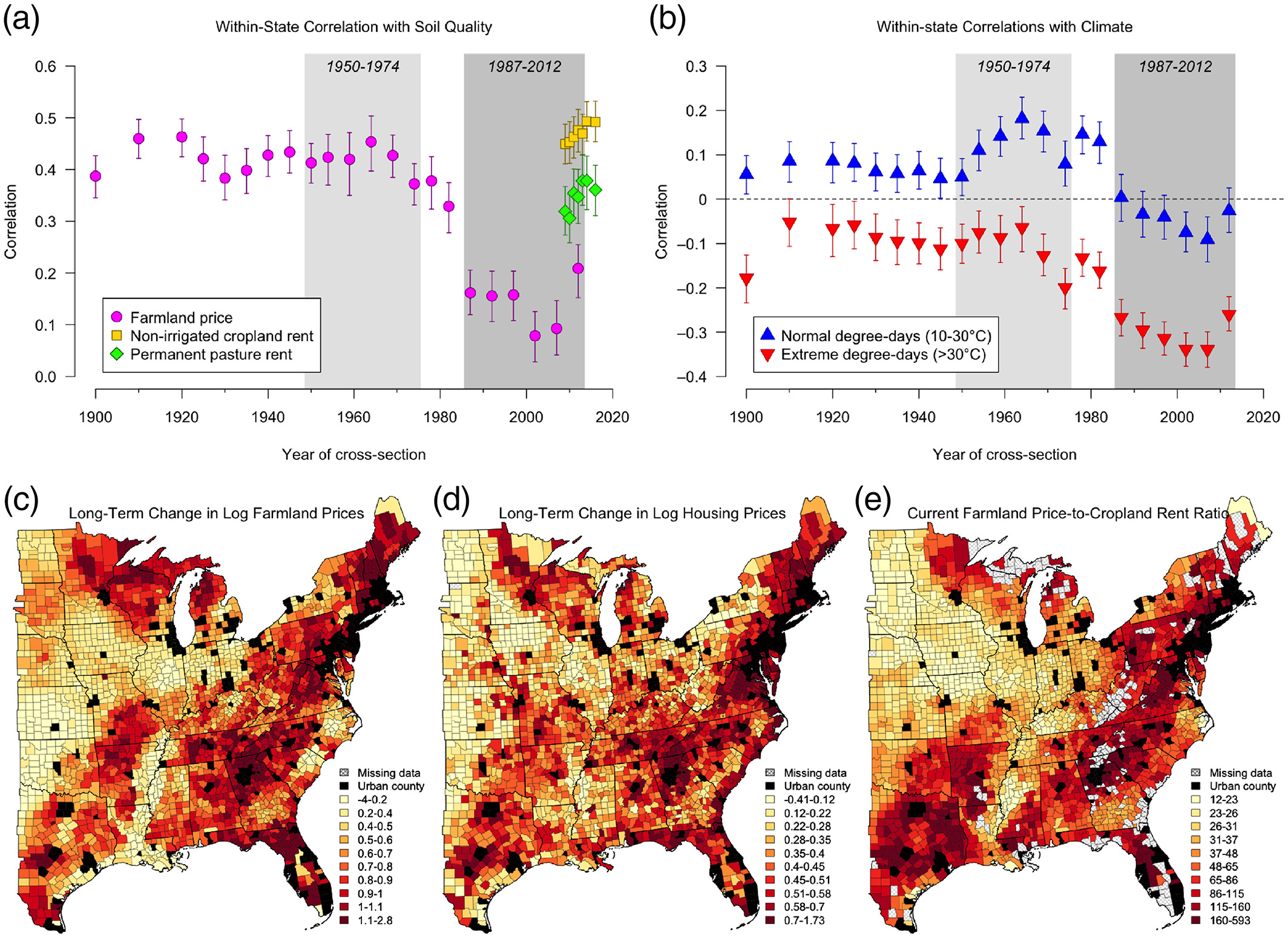
The Ricardian approach is a popular hedonic method for analyzing climate change impacts on agriculture. The approach typically relies on a cross-sectional regression of farmland asset prices on fixed climate variables, making it particularly vulnerable to omitted variables. I conduct a long-spanning Ricardian analysis of farmland prices in the eastern United States (1950–2012) and find a convergence of evidence indicating that large estimates of climate change damages for recent cross-sections (>1970s), also found in the literature, can be explained by the growing influence of omitted factors extraneous to the agricultural sector. I propose and evaluate a simple strategy to circumvent such nonfarm influences in the form of a Ricardian model based on cash rents (2009–2016), which better reflect agricultural profitability and do not capitalize expected land use changes. The new damage estimates on nonirrigated cropland and pasture rents are more optimistic and cannot be distinguished from zero. However, estimates remain imprecise under extreme climate change scenarios pointing to a cautionary long-term outlook for United States agriculture. The findings are robust to multiple checks and alternative explanations.
abstract
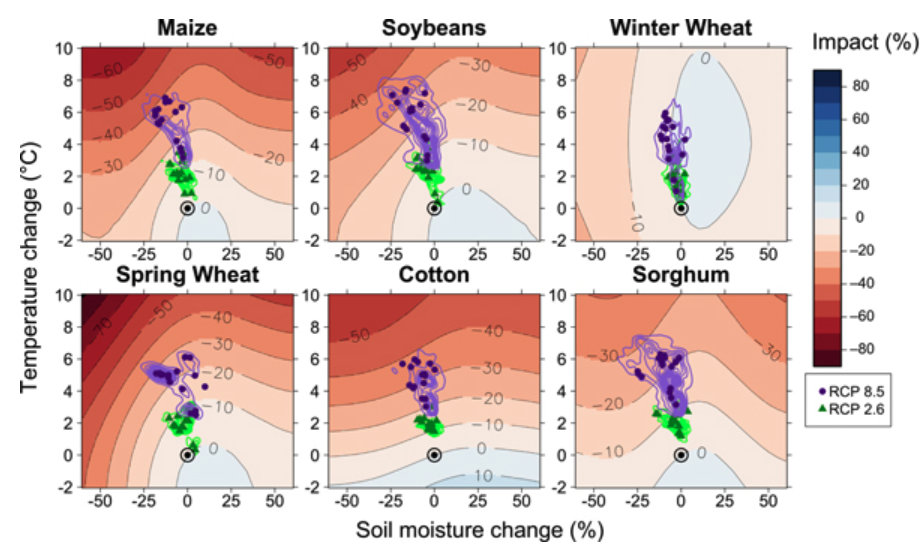
Understanding the climatic drivers of present-day agricultural yields is critical for prioritizing adaptation strategies to climate change. However, unpacking the contribution of different environmental stressors remains elusive in large-scale observational settings in part because of the lack of an extensive long-term network of soil moisture measurements and the common seasonal concurrence of droughts and heat waves. In this study, we link state-of-the-art land surface model data and fine-scale weather information with a long panel of county-level yields for six major US crops (1981–2017) to unpack their historical and future climatic drivers. To this end, we develop a statistical approach that flexibly characterizes the distinct intra-seasonal yield sensitivities to high-frequency fluctuations of soil moisture and temperature. In contrast with previous statistical evidence, we directly elicit an important role of water stress in explaining historical yields. However, our models project the direct effect of temperature—which we interpret as heat stress—remains the primary climatic driver of future yields under climate change.
abstract
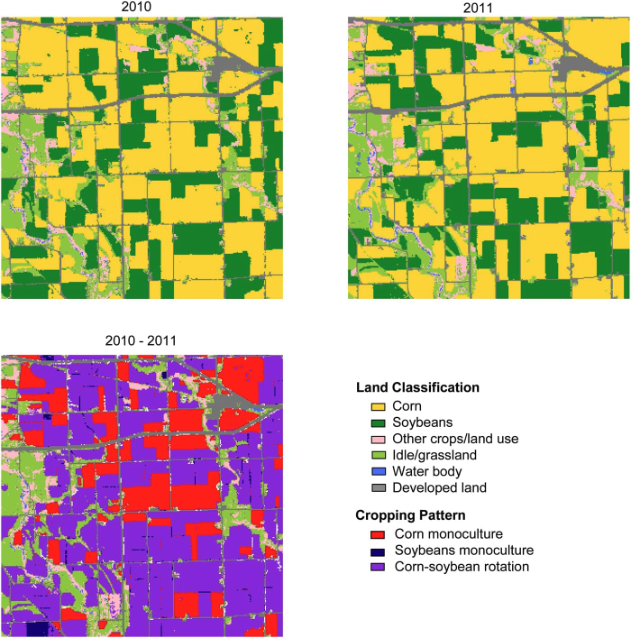
This study examines the market drivers of corn monocropping in the U.S. Midwest by empirically analyzing crop rotation responses to market fluctuation from 2005 to 2014 and the price shock induced by the recent biofuel mandate. We find that the expected market returns for crops have a significant impact on farmers’ decisions about monocropping. We also find that corn monocropping is loosely associated with the presence of nearby ethanol plants. This study illustrates the emerging use of high-resolution land cover data to tackle critical agribusiness and agro-environmental policy questions that remain elusive with aggregate data.
abstract
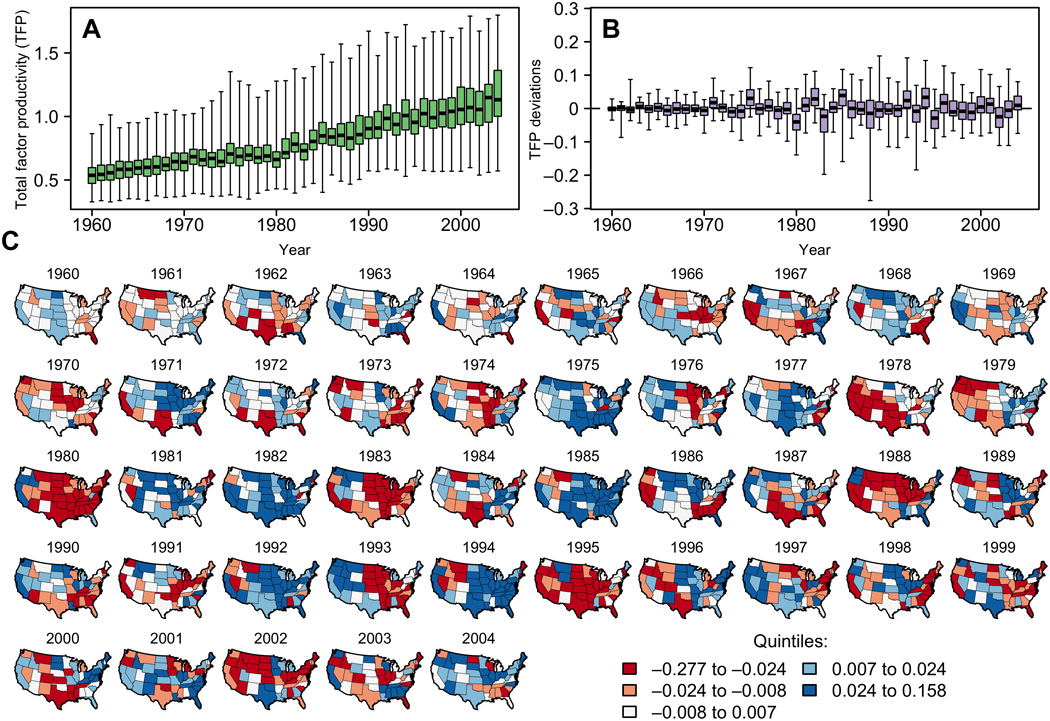
A pressing question for climate change adaptation is whether ongoing transformations of the agricultural sector affect its ability to cope with climatic variations. We examine this question in the United States, where major increases in productivity have fueled most of agricultural production growth over the past half-century. To quantify the evolving climate sensitivity of the sector and identify its sources, we combine state-level measures of agricultural productivity with detailed climate data for 1960–2004. We find that agriculture is growing more sensitive to climate in Midwestern states for two distinct but compounding reasons: a rising climatic sensitivity of nonirrigated cereal and oilseed crops and a growing specialization in crop production. In contrast, other regions specialize in less climate-sensitive production such as irrigated specialty crops or livestock. Results suggest that reducing vulnerability to climate change should consider the role of policies in inducing regional specialization.
abstract
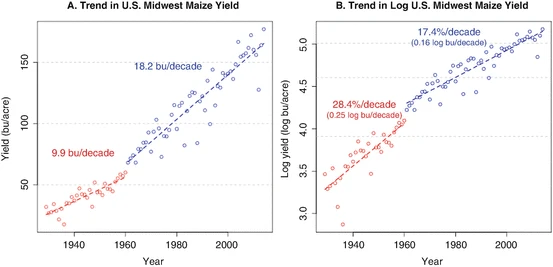
Over the past several decades, maize yields in the US Midwest have risen at about 17% per decade as a result of steady technological progress. Although the trend is expected to remain positive, climate change is expected to have an increasing countervailing effect. In this chapter, I compute the yield growth rates necessary to fully offset the potential negative effects of a warming climate. Relying on a statistical model allowing for nonlinear effects of temperature on yield, I find that maize yields would decrease by −4.2, −21.8 and −46.1% around the trend, under uniform warming scenarios of 1 °C, 3 °C and 5 °C, respectively. I find that an increase of 6.6%/decade in maize yields is required to fully offset the detrimental effects of a severe but still plausible 3 °C warming in the next three decades. This indicates that future maize yield trends could – all else equal – be substantially curtailed due to the climate change. This case study illustrates how agricultural policy analysts can assess the magnitude of potential climate change impacts relative to historical yield trends to help identify targets for agricultural research.
abstract
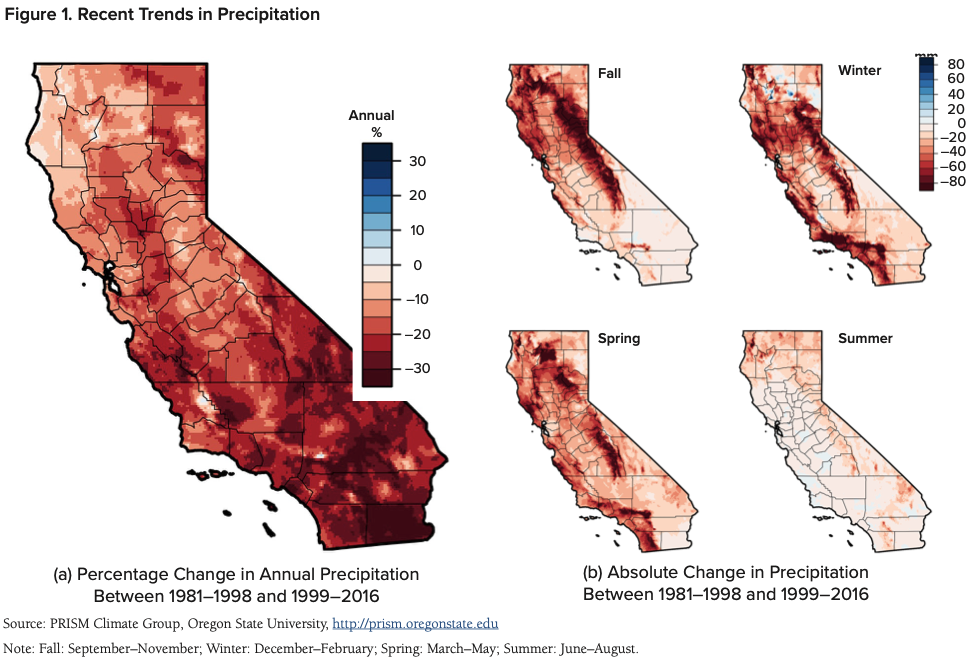
Recent climate projections indicate an unambiguous warming across California and all seasons over the 21st century. Projections regarding the amount of precipitation are less clear, but it is likely that rising temperatures will reduce mountain snowpack, which provides critical natural water storage for irrigated agriculture. Changes in the timing, and potentially the quantity, of runoff will likely disrupt surface water distribution, placing agricultural operations at risk. Climate variability is also predicted to increase with more frequent occurrence of droughts.
Climate change is expected to reduce yields of major field crops, including cotton and wheat. Impacts on fruit and nut crops appear unclear, and highly dependent on the crop considered and the modeling approach used. One prominent study predicts stagnating yields for almonds and table grapes and declining yields for strawberries and cherries by mid-century. The suitability of California regions for premium wine grape production could also be negatively affected by climate change.
Animals will also be affected by rising temperatures, with milk yields likely declining due to heat stress. Workers tend to be less productive at low (under 55°F) and high (over 100°F) temperatures. Agriculture could adapt, moving dairy cows to cooler regions, but perhaps raising the cost of feed procurement. Farm workers could work at night, necessitating lighting systems and perhaps premium wages.
To combat climate change, the state has enacted a series of important legislation, starting with the 2006 Global Warming Solutions Act. While it is unclear whether California will succeed in changing the path of global climate, it is likely that constraints on greenhouse gas emissions in California will come at a cost. California farms may be affected by the state’s climate policies through higher energy prices and lower processing capacity, as food-processing plants are covered by the state’s cap-and-trade program and may lose competitiveness relative to unregulated regions. The dairy and livestock sector, the main contributor to agricultural greenhouse gas emissions in California, is also expected to reduce its methane emissions greatly in the near future.
abstract
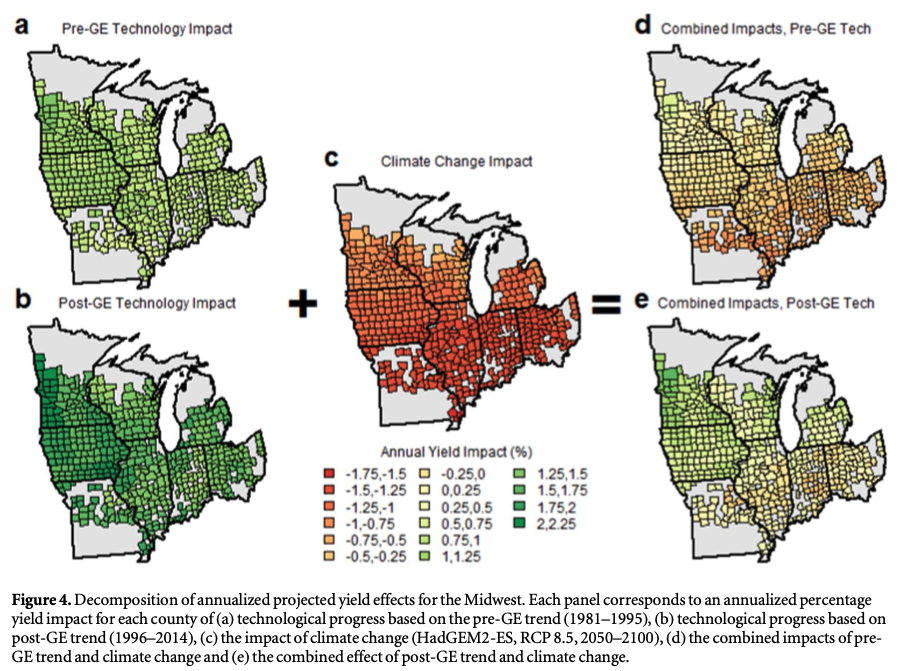
Predictions of future food supply under climate change rely on projected crop yield trends, which are typically based upon retrospective empirical analyses of historical yield gains. However, the estimation of these trends is difficult given the evolving impact of agricultural technologies and confounding influences such as weather. Here, we evaluate the effect of climate change on United States (US) maize yields in light of the productivity gains associated with the period of rapid adoption of genetically engineered (GE) seeds. We find that yield gains on the order of those experienced during the adoption of GE maize are needed to offset climate change impacts under the business-as-usual scenario, and that smaller gains, such as those associated with the pre-GE era in the 1980s and early 90s, would likely imply yield reductions below current levels. Although this study cannot identify the biophysical drivers of past and future maize yields, it helps contextualize the yield growth requirements necessary to counterbalance projected yield losses under climate change. Outside of the US, our findings have important implications for regions lagging in the adoption of new technologies which could help offset the detrimental effects of climate change.
abstract
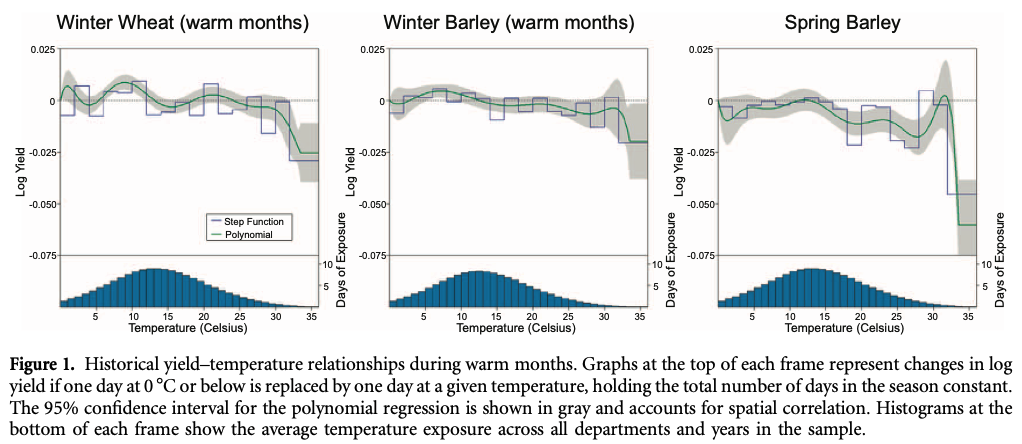
In several world regions, climate change is predicted to negatively affect crop productivity. The recent statistical yield literature emphasizes the importance of flexibly accounting for the distribution of growing-season temperature to better represent the effects of warming on crop yields. We estimate a flexible statistical yield model using a long panel from France to investigate the impacts of temperature and precipitation changes on wheat and barley yields. Winter varieties appear sensitive to extreme cold after planting. All yields respond negatively to an increase in spring–summer temperatures and are a decreasing function of precipitation about historical precipitation levels. Crop yields are predicted to be negatively affected by climate change under a wide range of climate models and emissions scenarios. Under warming scenario RCP8.5 and holding growing areas and technology constant, our model ensemble predicts a 21.0% decline in winter wheat yield, a 17.3% decline in winter barley yield, and a 33.6% decline in spring barley yield by the end of the century. Uncertainty from climate projections dominates uncertainty from the statistical model. Finally, our model predicts that continuing technology trends would counterbalance most of the effects of climate change.
abstract
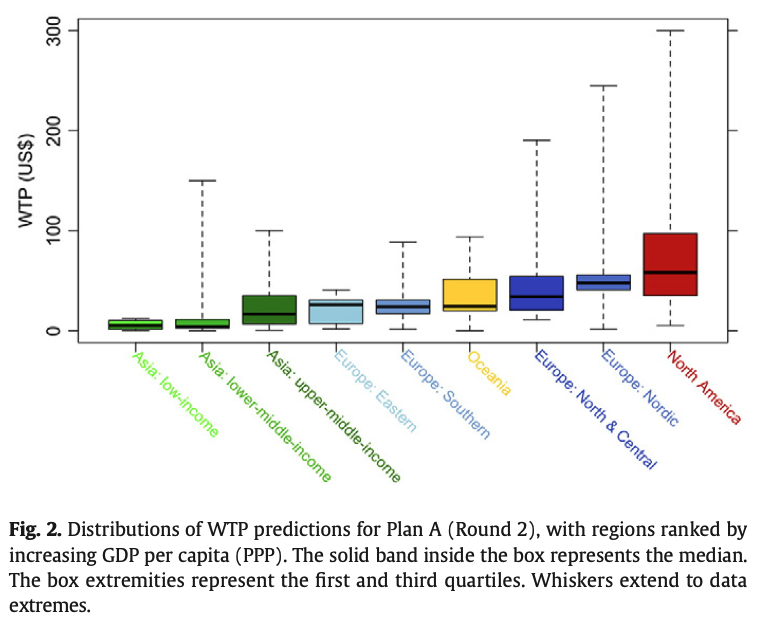
Valuing global environmental public goods can serve to mobilize international resources for their protection. While stated-preference valuation methods have been applied extensively to public goods valuation in individual countries, applications to global public goods with surveys in multiple countries are scarce due to complex and costly implementation. Benefit transfer is effectively infeasible when there are few existing studies valuing similar goods. The Delphi method, which relies on expert opinion, offers a third alternative. We explore this method for estimating the value of protecting the Amazon rainforest, by asking more than 200 environmental valuation experts from 37 countries on four continents to predict the outcome of a contingent valuation survey to elicit willingness-to-pay (WTP) for Amazon forest protection by their own countries’ populations. The average annual per-household values of avoiding a 30% forest loss in the Amazon by 2050, assessed by experts, vary from a few dollars in low-income Asian countries, to a high near $100 in Canada, Germany and Norway. The elasticity with respect to average (PPP-adjusted) per-household incomes is close to unity. Results from the Delphi study match remarkably well those from a recent population stated-preference survey in Canada and the United States, using a similar valuation scenario.
first paragraph
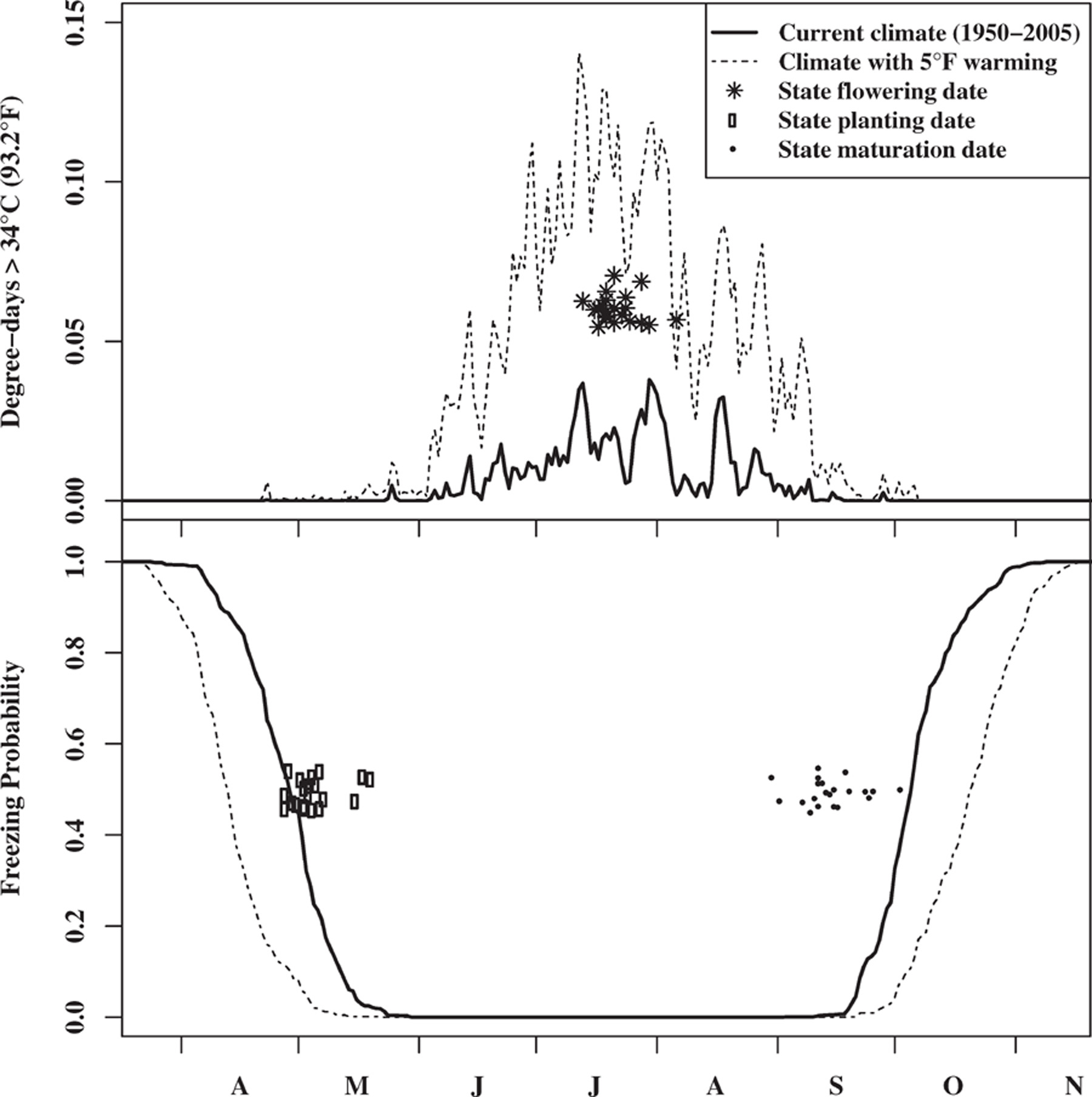
While a major focus of econometric climate impact assessments on agriculture has been prediction of overall impacts, future research should identify impact mechanisms and adaptation possibilities. Clarifying specific adaptation possibilities facilitates not only the assessment of potential welfare impacts, but also offers the possibility of evaluating policies for improved adaptation. This depends on capturing mechanisms that provide farmers’ abilities to adapt to new climatic constraints in counter-factual conditions.